
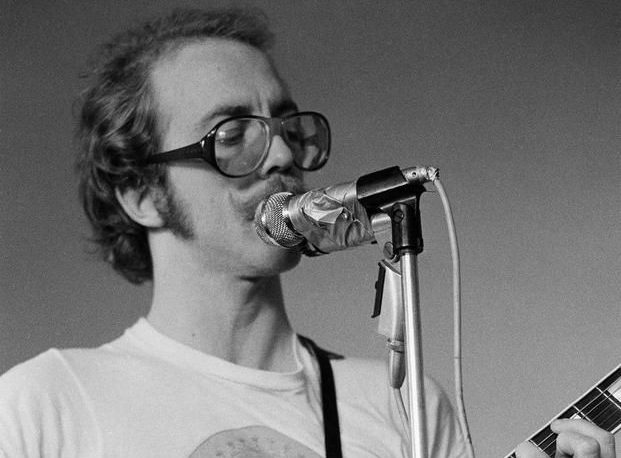
If rock history had an annals section, Bob Welch would occupy a very critical, almost forgotten place. Known for changing the sound of Fleetwood Mac in the early 1970s, Welch brought forth a different brand of rock and melodic ingenuity into the band, helping them steer at a time which turned out to be very critical. He hardly ever figures in any mainstream debate related to their legacy with such massive contributions. The paper will therefore encapsulate Welch’s glittering career—from his childhood and the entry he made into the music industry to his very influential involvement with Fleetwood Mac and his subsequent solo career. This story is a fascinating exploration of one of the more underrated musicians of our time and one whose legacy still reverberates in the annals of music history.

The Early Life of Bob Welch
Bob Welch was born on August 31, 1945, in Los Angeles, California. Raised by an artistic family—with his father already being a successful Hollywood producer and his mother a singer/actress—this creative environment cultivated the interest in music that Bob Welch had from early childhood onward. He started playing guitar as a teenager, which was influenced by the rocking and rolling and jazz music scenes at the time. Welch’s childhood was a mix of Hollywood glamour and personal adversity that helped shape his distinctive musical outlook.
Bob Welch’s Entry into the Music Industry
It was after the move to Paris in the late 1960’s that Bob Welch’s career in the music business truly started. He used to play in a plethora of bands and continued to develop his talents as a guitarist and composer. He finally got his chance in the British blues-rock band Fleetwood Mac in the year 1971. The opportunity came when he impressed band members Mick Fleetwood and John McVie with his musical talent and inimitable style. Welch’s arrival marked a new era for Fleetwood Mac as they sought to grow out of their blues roots into a more versatile rock sound.
Fleetwood Mac: The Bob Welch Era
Bob Welch proved very instrumental to the various changes that Fleetwood Mac was going through in the early 1970s. He contributed a lot towards their albums, primarily “Future Games” and “Bare Trees,” that were launched in the years 1971 and 1972, respectively. It was through his songwriting and guitar playing skills that he was able to move the band towards more melodious and introspective sound. Indeed, it was his contributions that glued the band together during its shifting and uncertain period.

However, it was when Stevie Nicks and Lindsey Buckingham joined the band in 1974 that the whole dynamic of Fleetwood Mac changed. They brought both a new musical direction and commercial success to the group.
Departure from Fleetwood Mac
Bob Welch’s departure from Fleetwood Mac in 1974 turned out to be a real turning point for the band. With his involvement in the group, Welch had been integral in changing their sound, leading them away from a blues-based band into a rock and pop-oriented band. At this point, he was exhausted from touring constantly and by the dissensions that were flying about within the band. Feeling burned out and creatively strapped by the band, Welch left to pursue his solo career.

Of course, this was no minor decision on his part; Welch had kept Fleetwood Mac alive through some stormy weather. He left the way open for a new avenue of development in the band’s life. Long after he had left, Stevie Nicks and Lindsey Buckingham joined Fleetwood Mac, and right on the heels of this came Fleetwood Mac’s great commercial success, including 1975’s Fleetwood Mac and 1977’s Rumours.
Bob Welch’s Solo Career and Later Life
After leaving Fleetwood Mac in 1974, Bob Welch had a successful solo career. The huge success of his first solo album, French Kiss in 1977, spawned such hit singles as “Sentimental Lady” and “Ebony Eyes.” The polished production and memorable melodies of this album proved that Welch is capable of fusing rock with pop sensibilities to reach a mass audience.

“Sentimental Lady,” a Fleetwood Mac song that Welch had written and recorded with the group, was re-recorded for French Kiss, and became a Top 10 hit. In the wake of the enormous success of French Kiss, Welch suddenly found himself one of the top solo acts, finally and forever establishing his credibility not only as a talented songwriter but also as a performer.
After the huge success of French Kiss, he released several other albums, including Three Hearts in 1979 and The Other One, also in 1979. But with only such flashes of temper as “Precious Love” and “Church,” they did not reach the commercial heights of his first solo album. However, Welch’s solo work remained quite popular among his faithful fans, who enjoyed his new sound and style.
Throughout the 1980s and 1990s, Welch continued releasing music that took him even further afield: working in different styles and teaming up with other artists. Selling fewer than his works through the decade, his later albums still maintained him somewhat of an icon within the music industry.
Personal and Love Life
Welch’s life was tinged both with high and low points. In 1985, he married Wendy Armistead, who gave him steadying love for the rest of his days. The couple made their various homes in Nashville, where Welch felt embraced by a community and inspired by other musicians.
Although he does experience bright moments of joy and companionship with Wendy, many other hardships test Welch’s ability to feel anything but very negative about his life: financial problems, failing health, substance abuse, and subsequent treatment for addiction. In addition, his health problems, among them a spinal surgery that resulted in his living with chronic pain, contributed to the weakening of both his mind and body.
Later Years and Death
For many years prior to his death, Bob Welch continued to fight health troubles, which included a degenerative spinal condition that caused him such pain and limited his mobility. He had continued to be involved with music, still recording new material, and playing the odd live show.

On June 7, 2012, Bob Welch died by suicide at his home in Nashville, Tennessee. He was 66 years old. His death was a serious loss to the musical fraternity and his millions of fans. Welch left behind a 9-page note that read he loved Wendy and didn’t want to burden her because of his failing health.
Noachic Radio




Leave a Reply